Introduction
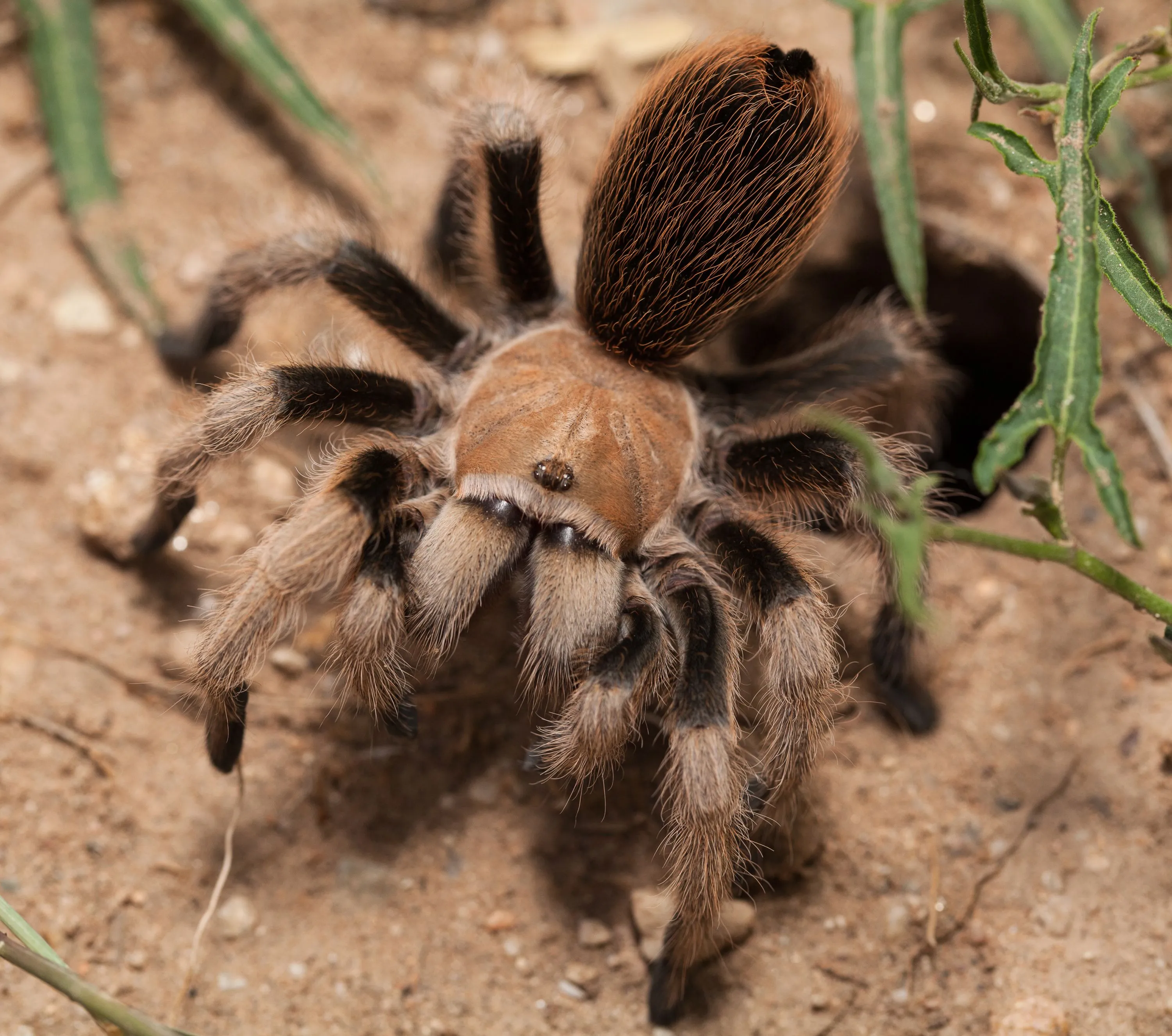
Tarantulas, with their impressive size and often striking appearance, have captivated humans for centuries. These fascinating arachnids, belonging to the Theraphosidae family, are a popular choice for pet owners and a source of intrigue for nature enthusiasts. While there are hundreds of tarantula species worldwide, some are more commonly encountered than others, both in the wild and in the pet trade. This guide introduces you to five of the most popular and well-known tarantula species, providing insights into their characteristics, habitats, and behaviors. Whether you’re a seasoned tarantula keeper or simply curious about these amazing creatures, this article is designed to provide you with a comprehensive overview of some of the most captivating tarantulas on Earth.
The Chilean Rose Hair Tarantula
The Chilean Rose Hair Tarantula (Grammostola rosea) is arguably the most popular tarantula species in the pet trade, and for good reason. Their docile temperament, relatively low maintenance requirements, and beautiful appearance make them an excellent choice for beginners. Native to the dry scrublands of Chile, Argentina, and Bolivia, these tarantulas are known for their gentle nature and are generally not prone to biting unless provoked. They are relatively slow-moving and can be easily observed and handled with care. Their lifespan is also a significant draw, with females often living for over 20 years, making them a long-term companion for any tarantula enthusiast.
Appearance and Characteristics

Chilean Rose Hair tarantulas are typically a reddish-brown or bronze color, with long, hairy legs and a stout body. They get their name from the rose-colored hairs that cover their carapace (the top part of their body), which can become more prominent with age. Adults can reach a leg span of up to 5-6 inches. These tarantulas are not only beautiful to look at, but they also display interesting behaviors, such as flicking urticating hairs (small, irritating hairs) from their abdomen as a defense mechanism. This is usually a last resort, however, and they prefer to retreat to a safe place.
Habitat and Behavior
In the wild, Chilean Rose Hair tarantulas live in burrows they dig in the ground or utilize existing shelters under rocks and logs. In captivity, they thrive in a simple setup with a substrate like coconut fiber or peat moss, a water dish, and a hide. They are generally nocturnal, spending most of the day in their burrows and emerging at night to hunt. They are ambush predators, waiting for their prey to come within reach. They feed on insects such as crickets, mealworms, and roaches. Their slow metabolism means they don’t require frequent feeding and can go for weeks without eating.
The Mexican Red Knee Tarantula
The Mexican Red Knee Tarantula (Brachypelma hamorii), is another iconic and popular species, renowned for its striking appearance and relatively docile temperament. These tarantulas are native to the Pacific coast of Mexico, where they inhabit arid scrublands and tropical deciduous forests. Their bright red-orange markings on their leg joints, contrasting with their black bodies, make them one of the most visually appealing tarantulas. They are also known for being relatively calm, though they may flick urticating hairs when threatened. They are a great choice for beginner tarantula keepers, and their longevity makes them a long-term commitment.
Appearance and Characteristics

As their name suggests, the Mexican Red Knee tarantula is distinguished by the vibrant red-orange coloration on their leg joints, contrasted by black legs and body. The carapace is typically a dark brown color. Females can reach a leg span of up to 6 inches, and males are slightly smaller. Juvenile tarantulas are typically lighter in color, with the red markings becoming more prominent as they mature. Their overall appearance is a sight to behold, making them a favorite among tarantula enthusiasts and a beautiful addition to any collection.
Habitat and Behavior
In the wild, Mexican Red Knee tarantulas are burrowing spiders, typically found in burrows they dig themselves. They are also known to make use of existing burrows or shelters. They tend to be more active during the night. In captivity, they need a terrestrial setup with deep substrate for burrowing, such as a mix of coconut fiber and peat moss. A hide, water dish, and a consistent temperature gradient are also necessary. Like the Chilean Rose Hair, they are ambush predators, feeding primarily on insects. They are relatively slow-growing, and their molting process can be a fascinating event for keepers.
The Costa Rican Zebra Tarantula
The Costa Rican Zebra Tarantula (Aphonopelma seemanni) is another attractive and relatively docile species, known for its striking black and white striped legs. Native to the tropical dry forests of Costa Rica and other parts of Central America, these tarantulas are a popular choice for pet owners. They are relatively hardy, adaptable to varying conditions, and generally have a calm temperament, though they may also flick urticating hairs when stressed. These tarantulas are a good option for beginner tarantula keepers who are looking for a visually interesting species.
Appearance and Characteristics

The most distinctive feature of the Costa Rican Zebra Tarantula is the black and white stripes on their legs, which resemble those of a zebra, hence their name. Their carapace and abdomen are typically a dark brown color, providing a strong contrast to their striped legs. They have a relatively slender build compared to some other tarantula species. Females can reach a leg span of around 5-6 inches. This species is known for its attractive appearance, making it a visually appealing addition to any tarantula collection, as well as its docile behavior, which allows for close observation.
Habitat and Behavior
In the wild, Costa Rican Zebra Tarantulas are terrestrial spiders that live in burrows, often found in open areas or under rocks and logs. They are adaptable to different environments. In captivity, they require a terrestrial setup with a substrate like coconut fiber, a water dish, and a hide. The setup should provide a consistent temperature and humidity level. While they are often found in open habitats, they appreciate a safe retreat where they can retreat. They feed on insects, and their feeding habits are similar to the other species mentioned, with a slow metabolism that allows them to go for long periods without food. They are not as prone to flicking urticating hairs as other species, which makes them relatively easy to handle.
The Pinktoe Tarantula
Pinktoe tarantulas (Avicularia avicularia) are arboreal tarantulas known for their vibrant coloration and unique lifestyle. These tarantulas are native to the rainforests of South America and the Caribbean islands. Their name is derived from the pink or reddish coloration on the tips of their feet. Their vibrant colors and arboreal lifestyle make them a very popular choice in the pet trade. They are known for their agility and fast movements, and they can be quite skittish. This species is more challenging to keep than the previous ones, and therefore, it is recommended for intermediate keepers.
Appearance and Characteristics

Pinktoe tarantulas are known for their vibrant colors. Their bodies are generally a dark color, and they feature pink or reddish tips on their legs and feet. The coloration is often more prominent on juveniles. Adults reach a leg span of about 5-6 inches. Their appearance makes them a favorite for their unique looks. They are very different than other tarantulas, and this makes them an appealing addition to a collection. They are also known for their quick movements, which makes them more challenging to handle.
Habitat and Behavior
In the wild, Pinktoe tarantulas live in trees and shrubs. They create silken retreats. In captivity, they require an arboreal setup, with plenty of vertical space and secure branches or decorations for climbing. They need high humidity levels and a well-ventilated enclosure. They feed on insects and require a consistent supply of water. They are known for their speed and agility. They are not as easy to handle as terrestrial tarantulas, so caution should be exercised. This species is fascinating to observe, and their vibrant appearance makes them stand out.
The Curly Hair Tarantula
The Curly Hair Tarantula (Tliltocatl albopilosus), is another popular terrestrial species prized for its docile temperament and unique appearance. Native to the rainforests of Central America, particularly Costa Rica, they are known for their dark bodies covered with curly, golden hairs. They are a hardy and easy-to-care-for species. They are a great choice for beginner tarantula keepers. Their calm demeanor makes them a good option for those new to tarantula keeping.
Appearance and Characteristics

The most striking feature of the Curly Hair tarantula is its body, which is covered in long, curly hairs that give it a distinctive appearance. These hairs are usually a golden-brown color, providing a contrast to their dark brown or black bodies. Adults can reach a leg span of up to 5-6 inches. These tarantulas are known for their friendly behavior, which makes them a great choice for both experienced and beginner keepers. They are relatively calm, and their appearance is quite unique, making them a standout among the tarantula species.
Habitat and Behavior
In the wild, Curly Hair tarantulas are terrestrial spiders that live in burrows. They are very adaptable to different environments. In captivity, they require a terrestrial setup with a substrate like coconut fiber or peat moss, a water dish, and a hide. They prefer a moderate humidity level, and a temperature range of around 75-85 degrees Fahrenheit. These tarantulas are known for their slow movements, which makes them relatively easy to observe. They feed primarily on insects, and their feeding habits are similar to the other terrestrial species. Overall, they are easy to care for, making them a popular species among all types of hobbyists, from beginners to advanced.
Conclusion
The world of tarantulas offers a diverse range of species, each with unique characteristics and care requirements. The Chilean Rose Hair, Mexican Red Knee, Costa Rican Zebra, Pinktoe, and Curly Hair tarantulas are among the most popular choices for pet owners and enthusiasts, offering a glimpse into the fascinating world of arachnids. When considering a tarantula as a pet, it is crucial to research and understand the specific needs of the chosen species, including their habitat, feeding habits, and temperament. Careful planning and responsible pet ownership will ensure the well-being of these amazing creatures and bring many years of enjoyment to their keepers. Proper care, understanding their needs, and appreciating their unique qualities will contribute to a rewarding experience. Remember to prioritize the safety and well-being of both the tarantula and yourself.