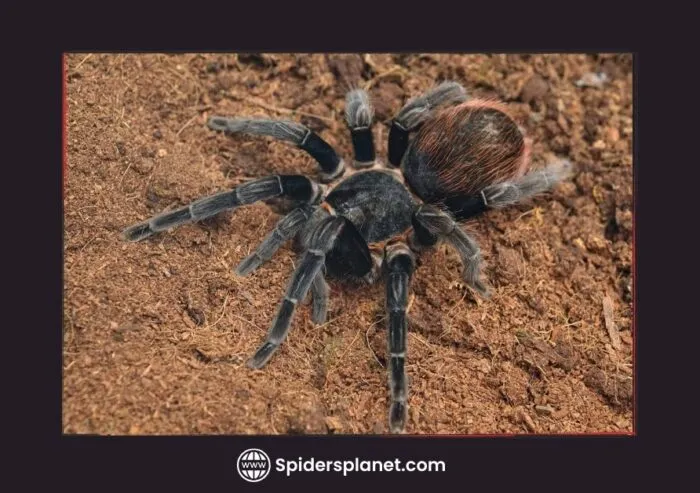
Why Won’t My Tarantula Eat? Top 5 Reasons
Owning a tarantula can be a rewarding experience, but it’s natural to feel concern when your eight-legged friend refuses a meal. A tarantula’s eating habits provide valuable insight into its health and well-being. A sudden or prolonged loss of appetite can be a sign of an underlying issue that needs addressing. This guide will explore the most common reasons why tarantulas may stop eating and provide practical solutions to ensure your pet remains healthy and thrives. Understanding these factors is crucial for any tarantula owner, helping you provide the best possible care for your fascinating pet. Keep in mind that tarantulas, like all living creatures, have unique needs, and it’s essential to observe your tarantula closely to provide proper care.
Understanding Tarantula Eating Habits
Before you worry about your tarantula’s appetite, it’s helpful to understand its normal eating behaviors. Tarantulas are opportunistic feeders, and their eating patterns can fluctuate based on several factors, including their age, species, and environmental conditions. It is essential to know what is typical for your tarantula to recognize when something is not right. Being familiar with your tarantula’s species-specific feeding habits is crucial for proper care. Some tarantulas are voracious eaters, while others are more reserved, and understanding your pet’s natural inclinations is essential.
Normal Eating Patterns in Tarantulas

Healthy adult tarantulas typically eat one to two times a week, while younger tarantulas may eat more frequently. Their diet primarily consists of insects, such as crickets, mealworms, and roaches. Observing your tarantula’s feeding response is vital. A healthy tarantula will usually show interest in prey offered. A lack of interest or an avoidance of food can indicate an issue. Be observant of how often your tarantula eats, how much it consumes, and the overall appearance and activity levels of your pet. These observations provide key clues about their health. If your tarantula suddenly stops eating or significantly decreases its food intake, it’s time to investigate the potential causes.
Factors Influencing Appetite
Several factors can affect a tarantula’s appetite. Temperature, humidity, and the availability of food play critical roles in their eating habits. For example, tarantulas are more likely to eat when their environment provides optimal conditions. Seasonal changes and the tarantula’s life stage also influence how much they eat. If the temperature is too low or the humidity is off, your tarantula may be less inclined to eat. Similarly, if the prey is too large or the tarantula is not in the mood, they may refuse to eat. Pay close attention to environmental factors, as they can significantly impact your tarantula’s willingness to feed.
Top Reason 1: Pre-Molting
One of the most common reasons for a tarantula to stop eating is that it’s preparing to molt. Molting is the process where tarantulas shed their exoskeleton to grow. This process is essential for their growth and overall health, and it significantly impacts their feeding habits. During this time, the tarantula’s appetite decreases as it conserves energy for molting. Recognizing the signs of pre-molting is crucial for a tarantula owner, so you know how to properly care for your pet.
Recognizing Pre-Molting Signs

Several visual cues indicate your tarantula is getting ready to molt. The most obvious sign is a darkening of the abdomen. The tarantula’s abdomen will often appear darker, and the skin may look stretched and shiny. In addition, the tarantula might become less active and spend more time hiding. Some tarantulas also stop eating weeks or even months before molting. Closely observe your tarantula’s behavior and appearance to look for these tell-tale signs. A tarantula that is pre-molt will often create a web mat or seal itself in a burrow or hide, staying in place as it prepares.
What to Do During Pre-Molting
If you suspect your tarantula is pre-molting, the best approach is to leave it undisturbed. Avoid offering food, as the tarantula won’t eat and may stress it. Maintain the correct humidity level to assist the molting process. Ensure the enclosure is free of hazards that could harm the tarantula during molting. Make sure the enclosure is set up properly so the tarantula can safely molt. Once the molting is complete, wait a few days before offering food to allow the tarantula’s new exoskeleton to harden. Patience is key during this phase; your tarantula will resume its normal feeding habits once it has successfully molted.
Top Reason 2: Stress and Environmental Factors
Stress can significantly impact a tarantula’s appetite and behavior. Tarantulas are sensitive creatures, and various environmental factors can cause them stress. Understanding these stressors is crucial for maintaining your pet’s health. Stress can come from various sources, including disturbances to their habitat, loud noises, or even the presence of predators. Creating a safe and comfortable environment is key to keeping your tarantula healthy and happy.
Identifying Stress in Tarantulas

Stressed tarantulas may exhibit several behaviors. These include a refusal to eat, excessive hiding, and erratic movements. Some tarantulas will flick hairs from their abdomen as a defense mechanism. Others may become defensive and display threatening postures. If your tarantula seems agitated, it is likely experiencing stress. These behaviors are signs that something in their environment is causing discomfort. Monitor your tarantula closely, looking for these symptoms, and take action to alleviate the stress.
Optimizing the Tarantula’s Habitat
Creating an ideal habitat is essential for minimizing stress. Provide a secure and appropriately sized enclosure. Make sure the enclosure has plenty of hiding places, such as cork bark or artificial plants. Reduce disturbances by placing the enclosure in a quiet area away from loud noises and heavy traffic. The enclosure should be large enough to accommodate the tarantula’s size and future growth. The substrate must be suitable for burrowing species. An ideal habitat provides the tarantula with a sense of security and comfort. Maintain a consistent environment, avoiding sudden changes in temperature or humidity, to further minimize stress. A well-designed habitat will significantly reduce stress and help encourage healthy eating habits.
Temperature and Humidity
Temperature and humidity levels are crucial for a tarantula’s well-being. Different tarantula species have specific requirements, so it’s essential to research the ideal conditions for your pet. Use a thermometer and hygrometer to monitor the enclosure’s climate. Maintain a stable temperature range appropriate for your tarantula’s species. Too low a temperature can suppress appetite, while too high a temperature can cause dehydration and stress. Keep humidity levels within the recommended range. Provide a water dish with fresh water and mist the enclosure as needed to maintain the proper humidity. Proper temperature and humidity contribute to a tarantula’s overall health and encourage eating.
Top Reason 3: Improper Prey

The type of food you offer your tarantula plays a crucial role in its appetite. Tarantulas are picky eaters, and if they don’t like the prey or if the prey is unsuitable, they may refuse to eat. Selecting the right prey and ensuring its quality is a key aspect of tarantula care. Understanding the nutritional needs of your tarantula is vital for its health and vitality. Always offer healthy and appropriate prey to ensure your pet’s dietary needs are met.
Choosing the Right Prey
The best prey for tarantulas includes insects such as crickets, mealworms, and roaches. The choice of prey should be species-appropriate and age-appropriate. Avoid offering wild-caught insects, as they may carry parasites or pesticides that can harm your tarantula. Ensure the prey is healthy and free from disease. The size of the prey should also be appropriate; it should be no larger than the tarantula’s abdomen. Varying the diet can also prevent boredom and ensure your tarantula receives a balanced intake of nutrients. Some tarantula keepers also supplement their tarantulas’ diets with the occasional pinky mouse, but this should be done sparingly.
Prey Size and Nutrition
The size and nutritional value of the prey significantly impact your tarantula’s health and appetite. Prey that is too large may frighten a tarantula. Crickets and other feeders should be gut-loaded with nutritious food before being offered to the tarantula. Gut-loading involves feeding the prey nutritious food, such as vegetables and commercial insect food, before offering them to your pet. This ensures the tarantula receives essential vitamins and minerals. Overfeeding can also lead to health problems, so it is essential to monitor your tarantula’s food intake. If prey remains uneaten for more than 24 hours, remove it from the enclosure. This helps prevent stress and potential problems with the tarantula.
Top Reason 4: Brumation or Seasonal Changes

Many tarantulas in the wild experience brumation, a period of reduced activity similar to hibernation. This behavior is often triggered by changes in temperature and daylight hours. Understanding brumation is crucial for proper care during the colder months. If your tarantula suddenly stops eating during the colder months, it may be entering brumation. Knowing the signs and how to manage brumation can ensure your pet remains healthy.
Understanding Brumation
Brumation is a natural process that occurs in many tarantula species, particularly those from temperate regions. During brumation, the tarantula’s metabolism slows down, and they become less active, often refusing food. The duration of brumation can vary depending on the species and environmental conditions. Some tarantulas may brumate for several weeks or months. During this period, they will often retreat to their burrows or hiding places, minimizing their activity. It’s essential not to be alarmed if your tarantula reduces its food intake or completely stops eating during this time. This behavior is often a normal response to the changing seasons.
How to Manage Brumation
If your tarantula appears to be entering brumation, the best approach is to reduce feeding and avoid disturbing it. Maintain the appropriate temperature and humidity levels for the species. Do not force-feed your tarantula. Providing a temperature gradient within the enclosure can help regulate the brumation process. You can gently increase the temperature during the day and allow it to cool slightly at night. During brumation, ensure your tarantula has access to water. Once the weather warms and daylight hours increase, your tarantula’s appetite should return. Patience and observation are essential during this phase.
Top Reason 5: Illness or Parasites

Although less common, illness or parasites can also cause a tarantula to stop eating. Recognizing the signs of illness is crucial for providing prompt care. Like any living creature, tarantulas can be susceptible to health problems. Early detection and intervention can often lead to a successful recovery. If you suspect your tarantula is ill, it is best to seek veterinary advice from a specialist.
Signs of Illness
Several signs may indicate that your tarantula is sick. These include lethargy, loss of appetite, and unusual behaviors. Other signs include a swollen abdomen, discharge, or visible parasites. Some tarantulas may also display tremors, paralysis, or difficulty moving. A tarantula that refuses to eat for an extended period without any other apparent reason is a serious cause for concern. Observe your tarantula closely for any abnormal signs and consult a veterinarian specializing in exotic animals if you notice anything unusual. Early detection of illness is essential for successful treatment.
Seeking Veterinary Advice
If you suspect your tarantula is sick, seek advice from a veterinarian specializing in exotic animals. They can properly diagnose and treat any underlying health issues. Avoid attempting to treat your tarantula on your own, as incorrect treatments can be harmful. Provide the vet with as much information as possible about your tarantula’s environment, diet, and behaviors. They may conduct tests or prescribe medications to address the illness. Following the veterinarian’s instructions carefully will help ensure your tarantula’s recovery. The health and well-being of your tarantula are your top priorities, so don’t hesitate to seek professional help when needed. A healthy tarantula is an enjoyable pet.