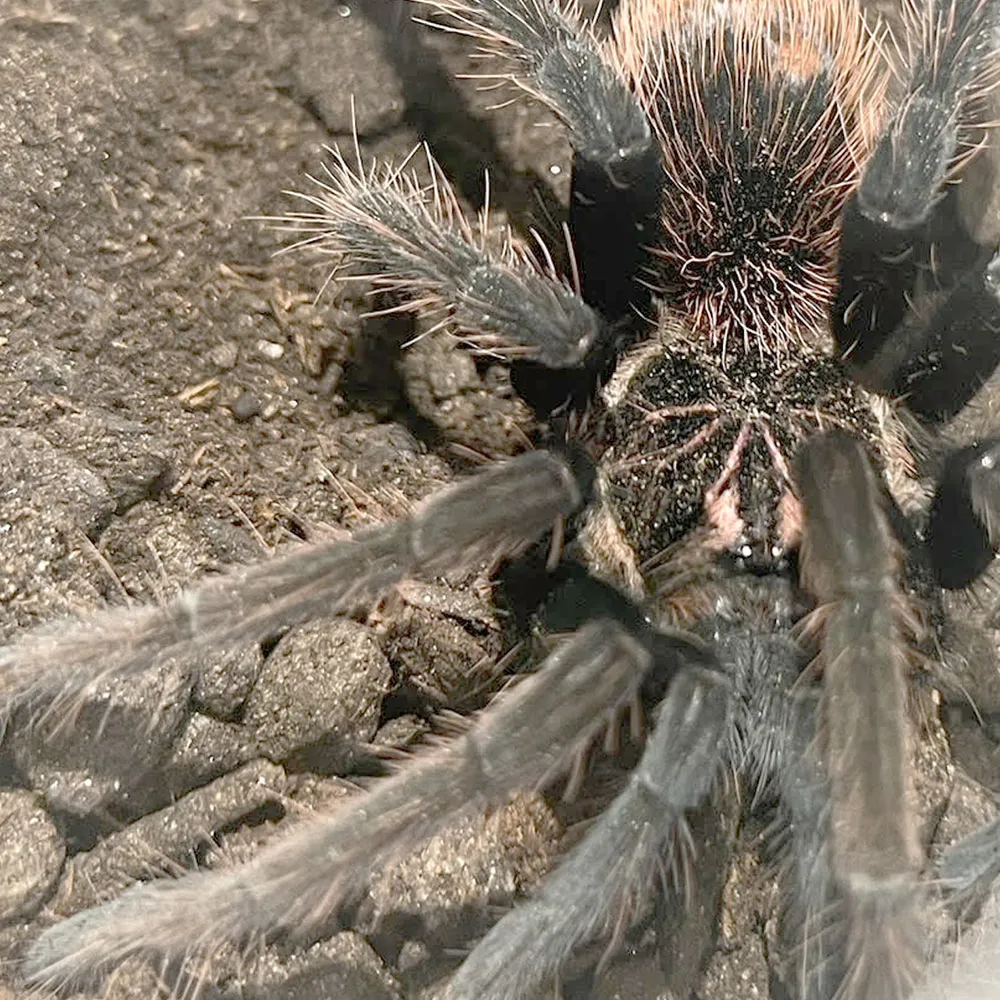
Essential Care Tips for Your Xenesthis Intermedia Tarantula
The Xenesthis intermedia tarantula, often admired for its striking colors and relatively docile temperament, makes a captivating pet. However, like any exotic animal, it requires specific care to thrive. This guide provides the top 5 essential care tips to ensure your Xenesthis intermedia lives a long, healthy, and vibrant life. From habitat setup and feeding to handling and recognizing signs of molting, this article covers everything you need to know to become a successful tarantula keeper. Properly caring for your Xenesthis intermedia is not only about providing basic necessities, it’s about understanding its needs and creating an environment that mimics its natural habitat. This approach will contribute to the well-being of your spider, and allow you to witness its fascinating behaviors.
Habitat Setup
Creating the right habitat is paramount to the well-being of your Xenesthis intermedia tarantula. A well-designed enclosure provides a comfortable environment, allowing your tarantula to feel secure and exhibit natural behaviors. Proper habitat setup also plays a critical role in regulating temperature, humidity, and facilitating molting. The goal is to replicate the spider’s natural environment as closely as possible, allowing it to thrive. This involves selecting appropriate enclosure size, substrate, and creating a balanced microclimate within the enclosure. A well-planned setup minimizes stress, supports the tarantula’s health, and enhances your enjoyment of this amazing species.
Enclosure Size and Type

Choosing the correct enclosure size is a fundamental aspect of tarantula care. For a Xenesthis intermedia, a terrestrial species, a larger enclosure is generally better, providing more space for exploration and reducing stress. The enclosure should be at least twice the tarantula’s leg span in width and length, and the height should be sufficient to allow for substrate depth and adequate ventilation. Glass terrariums or acrylic enclosures are popular choices because they offer good visibility and are easy to clean. Ensure the enclosure has a secure, well-fitting lid to prevent escapes. Avoid enclosures with overly large ventilation holes, as these could compromise humidity levels. Always consider the adult size of your tarantula when selecting an enclosure to avoid having to upgrade later.
Substrate Selection
The substrate forms the floor of your tarantula’s habitat and is critical for maintaining humidity, providing a burrowing medium, and offering the tarantula a sense of security. A good substrate for Xenesthis intermedia should retain moisture but not become waterlogged. A mixture of coco fiber and peat moss is an excellent choice, providing excellent moisture retention and allowing the tarantula to burrow if it chooses. Alternatively, you can use a combination of peat moss, vermiculite, and a bit of potting soil. Avoid substrates that contain fertilizers or pesticides. The depth of the substrate should be at least three to four inches to allow for burrowing behavior. Regularly monitor the substrate for mold or excessive moisture and replace it as needed.
Temperature and Humidity
Maintaining the correct temperature and humidity levels is crucial for the health of your Xenesthis intermedia. These tarantulas thrive in temperatures between 75°F and 85°F (24°C to 29°C). A heat lamp or a heat mat placed on the side of the enclosure can help maintain this temperature range. Avoid placing the heat source directly under the enclosure, as this can cause the substrate to dry out too quickly and potentially harm your tarantula. Humidity should be maintained between 70% and 80%. Monitor humidity using a hygrometer. You can increase humidity by misting the enclosure with dechlorinated water once or twice a week, depending on the substrate and ventilation. Ensure that there is adequate ventilation to prevent the buildup of condensation and mold growth. Improper temperature or humidity can lead to health problems, so monitoring and adjustments are essential.
Feeding Your Tarantula

Proper nutrition is essential for the growth and well-being of your Xenesthis intermedia. Providing a balanced diet ensures your tarantula receives all the necessary nutrients to thrive. The right feeding regime supports molting, promotes healthy development, and contributes to the overall longevity of your pet. Feeding habits can also offer insight into the tarantula’s health; a healthy tarantula will have a good appetite. Overfeeding, however, can lead to health issues. Understanding the dietary needs of your tarantula is vital for maintaining its health. Different life stages require adjustments to food size and frequency.
What to Feed
Xenesthis intermedia tarantulas are primarily insectivores, meaning their diet should consist mainly of insects. Suitable food items include crickets, dubia roaches, mealworms, and superworms. The size of the prey should be appropriate for the size of your tarantula. As a general rule, the prey item should be no larger than the tarantula’s abdomen. It is crucial to gut-load the insects before feeding them to your tarantula. Gut-loading involves feeding the insects nutritious foods, such as fruits, vegetables, and commercially available insect food. This ensures that your tarantula receives essential vitamins and minerals. Avoid feeding your tarantula wild-caught insects, as they may carry parasites or pesticides. Always remove uneaten prey items after 24 hours to prevent stress and potential harm to your tarantula.
Feeding Frequency
The feeding frequency depends on the tarantula’s age and size. Spiderlings should be fed more frequently than adults, typically two to three times a week. Juvenile tarantulas can be fed once or twice a week. Adult Xenesthis intermedia can be fed once every one to two weeks, or even less often. Observe your tarantula’s behavior and adjust the feeding schedule accordingly. If the tarantula refuses food, it may be preparing to molt, or it might have eaten recently and is not hungry. Overfeeding can lead to obesity and other health problems, so it’s essential to avoid overfeeding your tarantula. Keep track of your tarantula’s feeding habits to identify any potential issues, such as changes in appetite.
Watering Your Tarantula

Water is as crucial as food for your Xenesthis intermedia tarantula. Providing a clean water source is necessary for hydration and helps maintain the correct humidity levels within the enclosure. The proper water setup prevents dehydration and promotes overall health. It’s crucial to have fresh, clean water available at all times. Neglecting this essential component can lead to serious health problems. In addition to drinking, tarantulas may also use water to regulate their body temperature. Therefore, a reliable water source is essential.
Water Bowl and Refilling
Provide your Xenesthis intermedia with a shallow water dish that is easily accessible. The water dish should be small enough that the tarantula cannot fall in and become trapped or drown. A bottle cap or a shallow dish designed specifically for tarantulas works well. Use dechlorinated water to fill the dish. Change the water regularly, ideally every other day, to prevent bacterial growth. Monitor the water level daily and refill as needed. The water bowl should always be accessible and clean. This simple step goes a long way in maintaining the health of your pet. Regular checks and refills are necessary to make sure your tarantula has access to fresh water.
Misting
In addition to a water dish, misting the enclosure can help maintain humidity. Use a spray bottle filled with dechlorinated water to lightly mist the enclosure walls and substrate, typically once or twice a week, depending on the ventilation and humidity levels. Avoid soaking the substrate, which can lead to mold and other problems. Monitor the humidity levels and adjust the misting frequency as needed. Misting also provides the tarantula with a way to drink droplets of water, similar to how they might in their natural environment. It is important to maintain the right balance to avoid excess moisture, so observe the enclosure carefully. The goal is to create a comfortable and humid environment for your tarantula.
Handling and Safety

Handling your Xenesthis intermedia tarantula should be approached with caution and respect. While these tarantulas are known for their relatively docile nature, they can still bite if they feel threatened. Handling should be kept to a minimum to reduce stress on the tarantula. When you do handle it, it’s important to understand the risks, use proper techniques, and prioritize the tarantula’s safety and well-being. Safe handling is important for both you and your pet. Never force a tarantula to be handled, and always be mindful of its potential to react to any perceived threat. It’s crucial to understand the tarantula’s behavior and body language to ensure a safe experience.
When to Handle
Generally, it is best to avoid handling your Xenesthis intermedia. However, there are times when handling might be necessary, such as for enclosure maintenance or to move the tarantula to a new enclosure. Always assess the tarantula’s mood before attempting to handle it. A tarantula that is skittish, defensive, or showing threat poses should be left alone. Avoid handling immediately after feeding or before molting, as these are stressful periods for the tarantula. Limit handling to short periods, and always handle with care. Understanding the signals your tarantula sends is a key factor to safe handling.
Proper Handling Techniques
If you decide to handle your tarantula, do so with extreme caution. Approach the tarantula slowly and gently. Use a soft paintbrush or a similar tool to gently encourage the tarantula to walk onto your hand. Never grab or startle the tarantula. Always handle it close to the ground or a soft surface in case it falls. Avoid sudden movements, and be aware of the tarantula’s leg span, as it can be easy to accidentally startle them. Wash your hands thoroughly before and after handling to remove any potential irritants. Always prioritize the tarantula’s comfort and safety during handling. Remember, respecting the tarantula’s space and body language is important for a successful and safe interaction.
Health and Molting

Monitoring your Xenesthis intermedia’s health and understanding the molting process are essential aspects of proper care. Recognizing signs of illness and being able to identify the pre-molt stage allows you to provide the necessary support during these critical times. The molting process is a natural and essential part of a tarantula’s life, allowing it to grow and renew its exoskeleton. Understanding these two components helps you ensure that your tarantula lives a long and healthy life. Health monitoring involves regular observation, and recognizing the molting stage requires observation of specific signs.
Recognizing Molting Signs
Before molting, your Xenesthis intermedia may exhibit several telltale signs. The tarantula might stop eating and become less active. Its abdomen may appear dark, swollen, and the exoskeleton might look dull. The tarantula may also seal itself in its burrow or web a thick mat of silk. These behaviors indicate that the tarantula is preparing to molt. During the molt, the tarantula will lie on its back and shed its old exoskeleton. It is critical not to disturb the tarantula during this process. Providing a stable environment and refraining from any disturbance ensures a smooth and successful molt. Keep the enclosure’s humidity at the correct level, and do not feed the tarantula until its fangs have hardened after molting.
Post-Molting Care
After molting, the tarantula’s new exoskeleton will be soft and vulnerable. Allow the tarantula several days to a week to harden completely before offering food. The tarantula will often eat its old exoskeleton to regain lost nutrients. Provide fresh water during this period. Ensure that the enclosure conditions remain stable, especially temperature and humidity. Avoid handling the tarantula until its fangs have hardened, usually a week or two after the molt. Once the fangs have hardened, you can resume regular feeding. Proper post-molt care helps to ensure the tarantula’s full recovery. This includes allowing the tarantula time to recover and re-establish its strength.
In conclusion, caring for a Xenesthis intermedia tarantula is a rewarding experience that requires dedication and knowledge. By following these top 5 care tips and providing the right environment, you can ensure your tarantula thrives. Remember to research and learn as much as possible about the species, and always observe your tarantula’s behavior. With patience and care, you can enjoy the unique beauty and fascinating behaviors of your Xenesthis intermedia for many years to come.