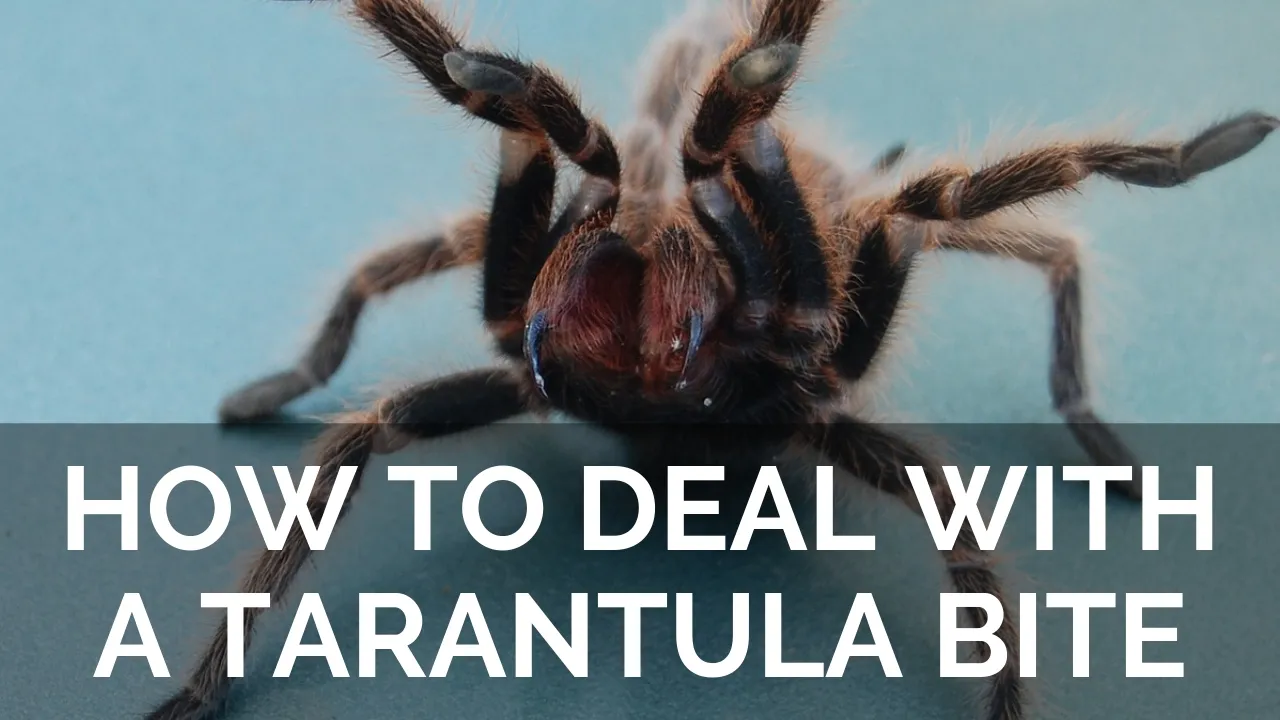
Understanding the Zebra Tarantula Bite
The zebra tarantula (Aphonopelma seemanni), a popular pet choice, hails from Central America. While their bite is not typically life-threatening to humans, it can be painful and cause a range of unpleasant symptoms. Understanding the nature of the bite, including the venom’s effects and the potential for allergic reactions, is crucial for responsible pet ownership and quick, effective treatment. The bite itself is delivered through fangs, injecting venom that affects the local area. Though zebra tarantula bites are rarely medically serious, the discomfort they inflict can last for several hours or even days. Moreover, the bite can occasionally lead to secondary infections if not properly cared for. The primary concern centers on pain management and preventing any complications that may arise from the bite.
Symptoms of a Zebra Tarantula Bite
Recognizing the symptoms of a zebra tarantula bite is paramount for timely treatment. Immediately after the bite, you might experience sharp, localized pain, similar to a bee sting. Other common symptoms include redness, swelling, and itching around the bite site. Some individuals might also develop muscle cramps or spasms, especially if the bite affects a limb. More severe reactions, though rare, can include nausea, vomiting, and difficulty breathing. If you experience any of these serious symptoms, seeking immediate medical attention is critical. Monitoring the bite site for signs of infection, such as increased pain, pus, or fever, is also essential. Keep a close eye on the affected area, because this can indicate if the symptoms escalate and require urgent treatment.
Immediate First Aid Steps

When a zebra tarantula bites, swift action is vital. Start by gently cleaning the bite area with mild soap and water. This helps prevent infection and removes any residual venom. Apply a cold compress or ice pack to the area for 10-15 minutes to reduce swelling and alleviate pain. If the bite is on an arm or leg, elevating the limb can further help to minimize swelling. Avoid scratching the bite, as this can worsen irritation and increase the risk of infection. Over-the-counter pain relievers, such as ibuprofen or acetaminophen, can help manage the pain. Observe yourself closely for any signs of an allergic reaction, such as difficulty breathing or swelling of the face, lips, or tongue. If such symptoms occur, seek immediate medical assistance.
Long-Term Treatment and Care
After the initial first aid, long-term care involves monitoring the bite site and promoting healing. Keep the area clean and dry to prevent infection. Applying an antibacterial ointment can be beneficial if the bite shows signs of infection. Continue to apply cold compresses as needed to reduce swelling and pain. Avoid activities that might irritate the bite area. If pain persists or worsens, consult a doctor, who may prescribe stronger pain relievers or antibiotics. If you experience any signs of infection, it’s critical to seek medical advice promptly. Be patient, as healing can take several days or even weeks. Make sure to check for any allergies to medications or treatments before applying them, to avoid any further complications.
Medical Attention When to Seek it
While zebra tarantula bites are usually not life-threatening, there are instances where medical attention is necessary. If you experience severe symptoms like difficulty breathing, chest pain, or significant swelling, seek immediate medical help. Signs of infection, such as increased redness, pus, fever, or worsening pain, also warrant a visit to the doctor. If the bite victim is a child, elderly person, or has any pre-existing health conditions, it’s best to seek medical advice as a precaution. Even if the symptoms seem mild at first, it’s always better to err on the side of caution. A healthcare professional can properly assess the bite, provide appropriate treatment, and address any complications that may arise. Prompt medical attention can help prevent serious complications and ensure a smooth recovery.
Preventing Zebra Tarantula Bites

Preventing zebra tarantula bites is essential for both the safety of the tarantula owner and the well-being of the pet. Proper handling techniques and a safe environment can significantly reduce the risk of bites. Understanding the tarantula’s behavior and being aware of its triggers can also help prevent unwanted interactions. By taking the right precautions, owners can minimize the chances of being bitten and enjoy their tarantula as a pet safely. This means learning how to recognize when your tarantula is stressed or agitated and avoiding handling during those times. Safe handling practices, coupled with a suitable enclosure, are key to a harmonious relationship between you and your pet.
Safe Handling Techniques
When handling a zebra tarantula, it’s important to use a calm and deliberate approach. Avoid sudden movements or loud noises that might startle the tarantula. Handle the tarantula over a soft surface, such as a bed or a low table, to minimize the risk of injury if it falls. Always support the tarantula’s body, and never grab it roughly. Using a long, soft brush to gently guide the tarantula can be a safe way to move it. Wash your hands thoroughly before and after handling, to remove any scents that might agitate the tarantula. Make sure to handle your zebra tarantula in a well-lit area, and avoid handling it when it is molting or feeling vulnerable. If you feel uncomfortable or inexperienced, it is best to observe your tarantula from a distance.
Creating a Safe Environment for your Tarantula
Creating a safe environment for your zebra tarantula means providing a secure enclosure that meets its needs. The enclosure should be appropriately sized, escape-proof, and provide a suitable substrate for burrowing. Ensure proper ventilation to prevent mold growth, and maintain a temperature and humidity level appropriate for the species. Avoid placing the enclosure in direct sunlight or near heat sources, which can be dangerous. Regularly clean the enclosure to remove waste and uneaten food, which helps to prevent disease. Provide hiding places, such as cork bark or artificial plants, to allow the tarantula to feel secure. A well-maintained enclosure minimizes stress on the tarantula and reduces the likelihood of it feeling threatened and biting.
Debunking Myths about Zebra Tarantula Bites

There are many myths and misconceptions surrounding zebra tarantula bites. Separating fact from fiction is crucial to ensure accurate information and proper care. Often, the fear associated with tarantula bites is exaggerated, leading to unnecessary panic. By understanding the truth about these bites, pet owners can approach any situation with confidence and apply the right treatment. Education and awareness are key to dispelling myths and promoting responsible pet ownership. It’s important to rely on reliable sources of information, such as veterinary professionals and reputable online resources, to learn accurate facts about zebra tarantulas and their bites.
Common Misconceptions
One common misconception is that all tarantula bites are extremely dangerous and can kill humans. While it is true that tarantula bites can be painful, the venom of most tarantula species, including the zebra tarantula, is not lethal to humans. Another myth is that all tarantulas are aggressive and prone to biting. In reality, zebra tarantulas are generally docile and only bite when threatened or provoked. Many people believe that tarantula bites always require immediate medical attention, but in most cases, home care and over-the-counter treatments are sufficient. Furthermore, some people wrongly believe that all tarantulas have the same type of venom. However, venom composition varies among species. Being aware of these common misconceptions can help dispel unnecessary fear and promote a more informed approach to tarantula care.
Facts vs. Fiction
When it comes to zebra tarantula bites, it’s essential to distinguish between factual information and fictional exaggerations. The fact is, the venom is mild and rarely causes severe reactions in humans. Fiction often portrays tarantula bites as incredibly painful and venomous. The truth is, the pain is typically similar to a bee sting, and the bite site may experience localized redness, swelling, and itching. Fiction often claims that tarantulas are highly aggressive and likely to bite without provocation, while the reality is, the zebra tarantula is generally a docile species that bites defensively. Fact states that immediate medical attention is rarely needed, and home treatment is often sufficient. Fiction often suggests that all tarantula bites require antivenom, which is not the case. Understanding these differences can help you manage the situation with greater confidence and provide the best care possible.